

Leadership Shadowing Program
The Sarah Isom Center for Women and Gender Studies, in collaboration with the Commission on the Status of Women, announces a new pilot program for the 2026/2027 academic year: a Leadership Shadowing Program. UM faculty and staff interested in leadership opportunities can learn from university leaders in existing roles, to get a feel for the responsibilities of the position. This will improve the pipeline for leadership and let participants gain experience and learn about the responsibilities of particular positions. Participants will be paired with a mentor and spend up to 4 hours a week during the fall or spring semester “shadowing” the mentor: attending meetings, planning events, and experiencing the many responsibilities of the leadership position. The mentor and mentee will meet to discuss the mentee’s goals for the program, specifically what they would most like to learn and whether there is a specific project or program they would like to co-plan and implement.
Details of the program:
Candidate will spend up to 4 hours a week with a mentor during the fall or spring semester: this includes joining meetings, planning sessions, and other responsibilities related to the position
Mentor provides an overview of the responsibilities of the position. Mentor and mentee discuss participants' goals for the program and adjust projects/meetings accordingly.
The candidate chooses a project or skill set to focus on during the length of the residency
The cohort of candidates (ideally, 5 faculty and 5 staff) meets once at the end of the semester to share their experiences and give suggestions for future improvements
The cohort participates in a weeklong leadership seminar in the summer of 2027
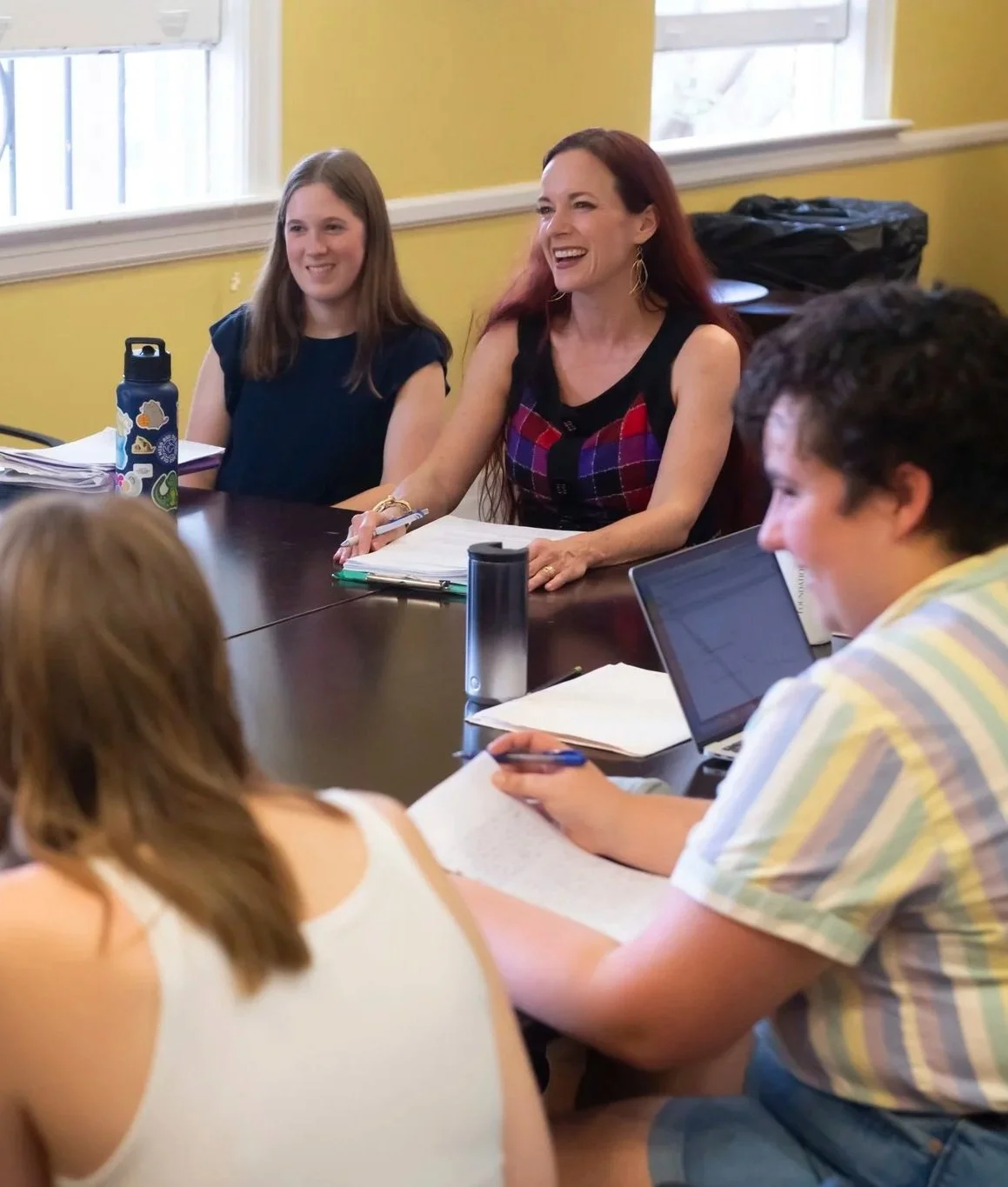
Select Potential Mentors
-
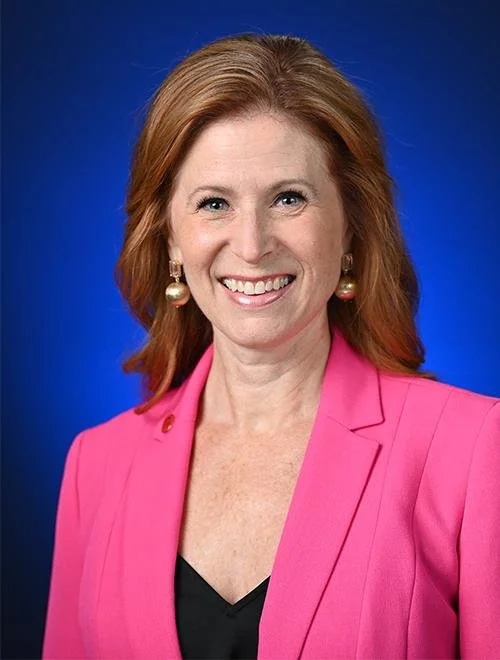
Nancy Maria Balach
Director, UM Institute for the Arts
Chair and Professor, Department of Music
-

Marie Barnard
Associate Professor of Pharmacy Administration and Research Associate Professor in the Research Institute of Pharmaceutical Sciences
Associate Professor of Public Health
-
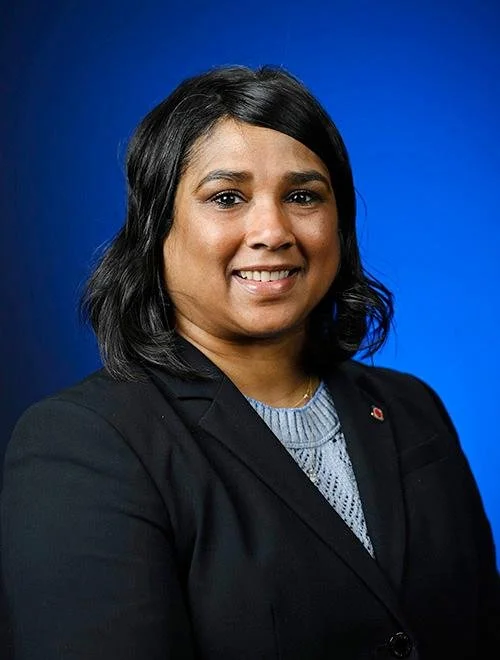
Veronica Crawford
Research Administrator, Office of Research and Economic Development
Instructional Assistant Professor of Higher Education
-

Kevin Cozart
Program Coordinator II, Sarah Isom Center for Women and Gender Studies
-

Jaime Harker
Director, Sarah Isom Center for Women and Gender Studies
Professor of English
-
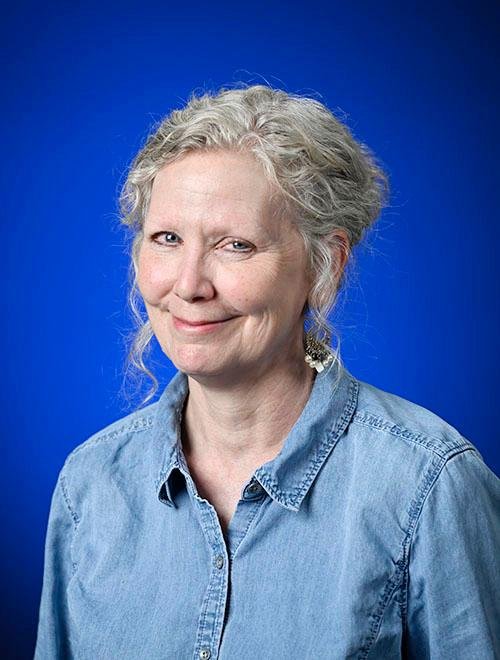
Katie McKee
Director, Center for the Study of Southern Culture
Professor of English and Southern Studies
-

Shawnboda Mead
Vice Chancellor for Student Affairs
-
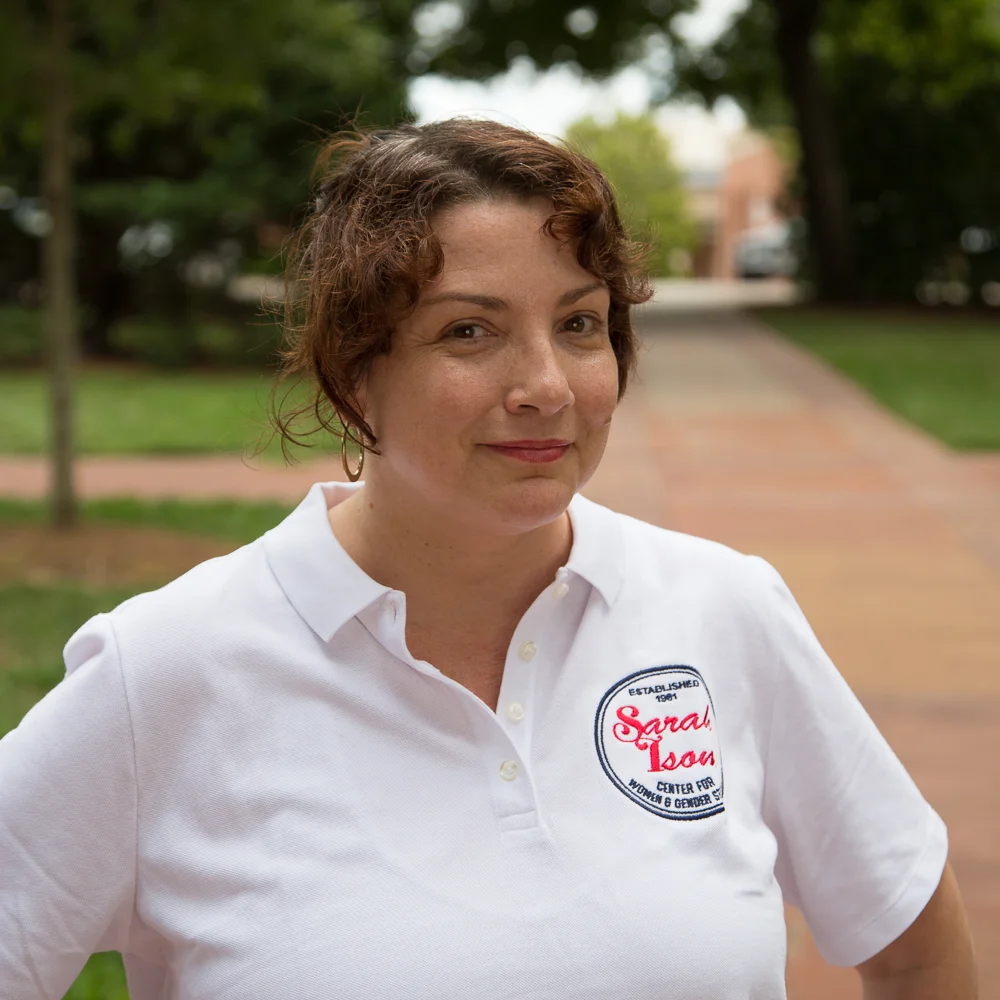
Theresa Starkey
Associate Director and Instructional Professor, Sarah Isom Center for Women and Gender Studies
-
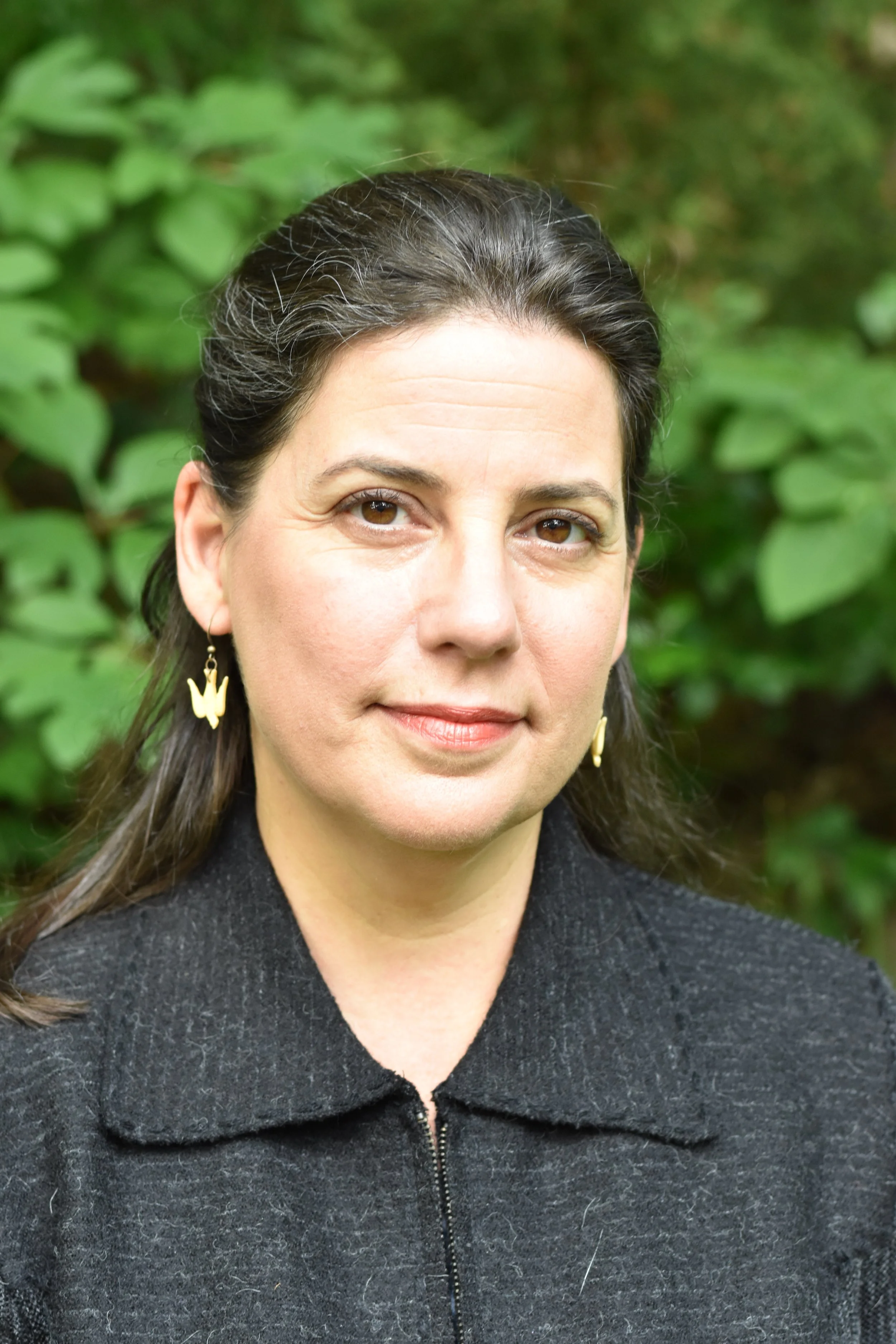
Lynn Wilkins
Parent and Caregiver Program Manager
Mentee Application requirements:
Brief statement (500-1000 words)
Kinds of leadership positions you are interested in
What would you like to learn
Why this particular mentor (or type of mentor) is a good fit for your larger career goals.
Brief CV
Statement of support from your chair or supervisor (we will reach out to your supervisor for this)
Application deadline: June 30, 2026
Interested Mentors:
Please use the link to the right to show interest in being a mentor. As part of process, we will reach out to your supervisor for a letter of support.
Application deadline: June 30, 2026